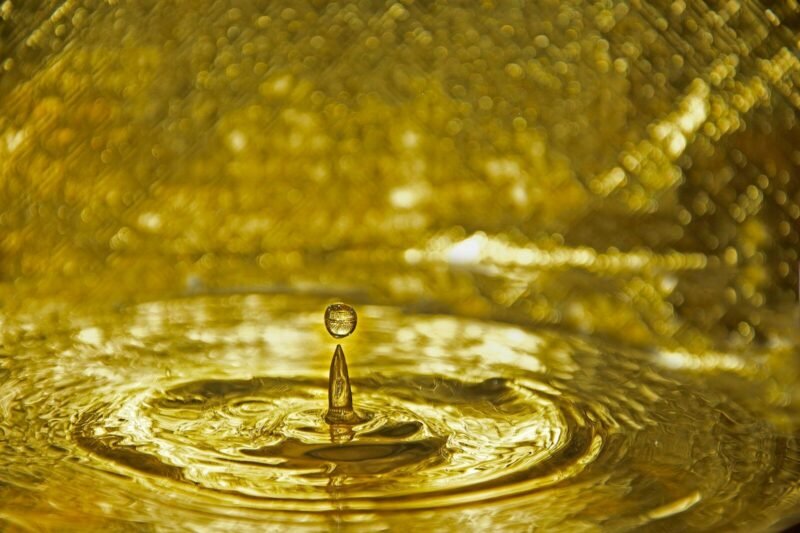
Few food topics start a fight like seed oils. One camp says they’re harmless — even heart-healthy. The other says they’re a quietly toxic driver of modern disease that industry would rather you didn’t question. At RewiredHQ we don’t think your job is to obey either side. It’s to understand the real arguments, follow the incentives, make your own call — and then take one simple step that improves things today. So here’s the honest version, followed by swaps you can actually use.
The case against seed oils (stronger than the mainstream admits)
- It’s about oxidation, not just the molecule. Polyunsaturated fats like linoleic acid are fragile. Extracted with high heat and solvents, or reheated in fryers, they form lipid-oxidation products — and there’s a plausible route by which oxidised fats damage arteries. Critics like Dr Cate Shanahan argue it’s the processing and heat, not omega-6 itself, that’s the problem.
- The historical timing is striking. Seed oil consumption shot up in the early 1900s — before the heart-disease epidemic by 10–20 years, about how long arterial plaque takes to build. A 2024 research synthesis concluded they “may have been a significant, under-recognised contributor” — while noting the debate isn’t settled.
- Institutions get captured. Nutrition science has been wrong before — remember the decades spent blaming fat while the sugar industry quietly funded research to deflect the blame. Healthy scepticism of any official line isn’t paranoia; it’s independent thinking.
The case against the panic (also stronger than influencers admit)
- Correlation isn’t causation. When seed oils rose, so did sugar, refined carbs, ultra-processed food, total calories and sedentary living — all at once (Stanford, Eufic). Pinning the whole epidemic on one ingredient ignores everything else that changed.
- The “inflammation” claim is shaky in humans. Trials that raised linoleic acid intake sharply didn’t meaningfully raise inflammatory markers, and several reviews link it to lower heart and diabetes risk (Johns Hopkins, AHA).
- Follow the money — both ways. The anti-seed-oil story is also a business: tallow-oil brands, grass-fed butter, carnivore influencers, supplement sellers. Fear sells just as well as convenience does.
The honest verdict
This is genuinely contested, not closed — in either direction. But notice what both sides actually agree on: the real danger isn’t a teaspoon of oil in your own pan. It’s ultra-processed food (where cheap, refined, oxidised seed oils hide by the litre) and reused, overheated frying oil. That’s the part you can act on right now, without waiting for the science to finish arguing.
Smarter swaps you can make today
You don’t need to fear every drop of oil or overhaul your life. Just trade up where it counts:
- Takeaway fried food → home-cooked. The worst oils are the ones reheated all day in commercial fryers. Cooking at home removes most of them in a single move.
- Ultra-processed snacks → whole foods. Crisps, biscuits and packaged snacks are where industrial seed oils live. Fruit, nuts, yoghurt or last night’s leftovers do the job without the mystery oils.
- Refined oils → extra-virgin olive oil (low–medium heat). One of the most studied, most consistently healthy fats there is — a genuine upgrade.
- Fragile oils → stable fats (high heat). Butter, ghee or a little tallow handle heat better and oxidise less than delicate PUFAs — fine in normal amounts (not a free pass to drown everything in them).
- Margarine / “vegetable spreads” → real butter or olive oil. Less processed, and you actually know what’s in it.
- Read the label. If “vegetable / soybean / sunflower oil” sits near the top of the ingredients, it’s a clue the product is highly processed — reason enough to pick a simpler option, whatever you believe about the oil itself.
- Never reuse frying oil. Reheating the same oil again and again is the one habit nearly everyone — sceptic and scientist alike — agrees is worth dropping.
Here’s the RewiredHQ position: don’t hand your trust to a corporation on either side of this — not Big Food, and not the wellness industry selling you the cure. Learn the arguments, cook more real food, choose fats you understand, and save your worry for the things that actually move the needle. That’s not following a trend. That’s thinking for yourself — which is the whole point.
General information, not medical advice. If you have a specific health condition, speak to a qualified professional before making big dietary changes.
Organised — grass-fed beef organ blend. Cutting processed seed oils is only half the job — the other half is getting real nutrients back in, and this is whole-food, not synthetic. One daily serving instead of a cabinet of synthetic pills, made in the UK with a 100-day money-back guarantee.
See Organised → (10% off with code RewiredHQORG)
Affiliate link — if you buy through it we may earn a small commission at no extra cost to you. We only recommend things we actually use.


